Product Description
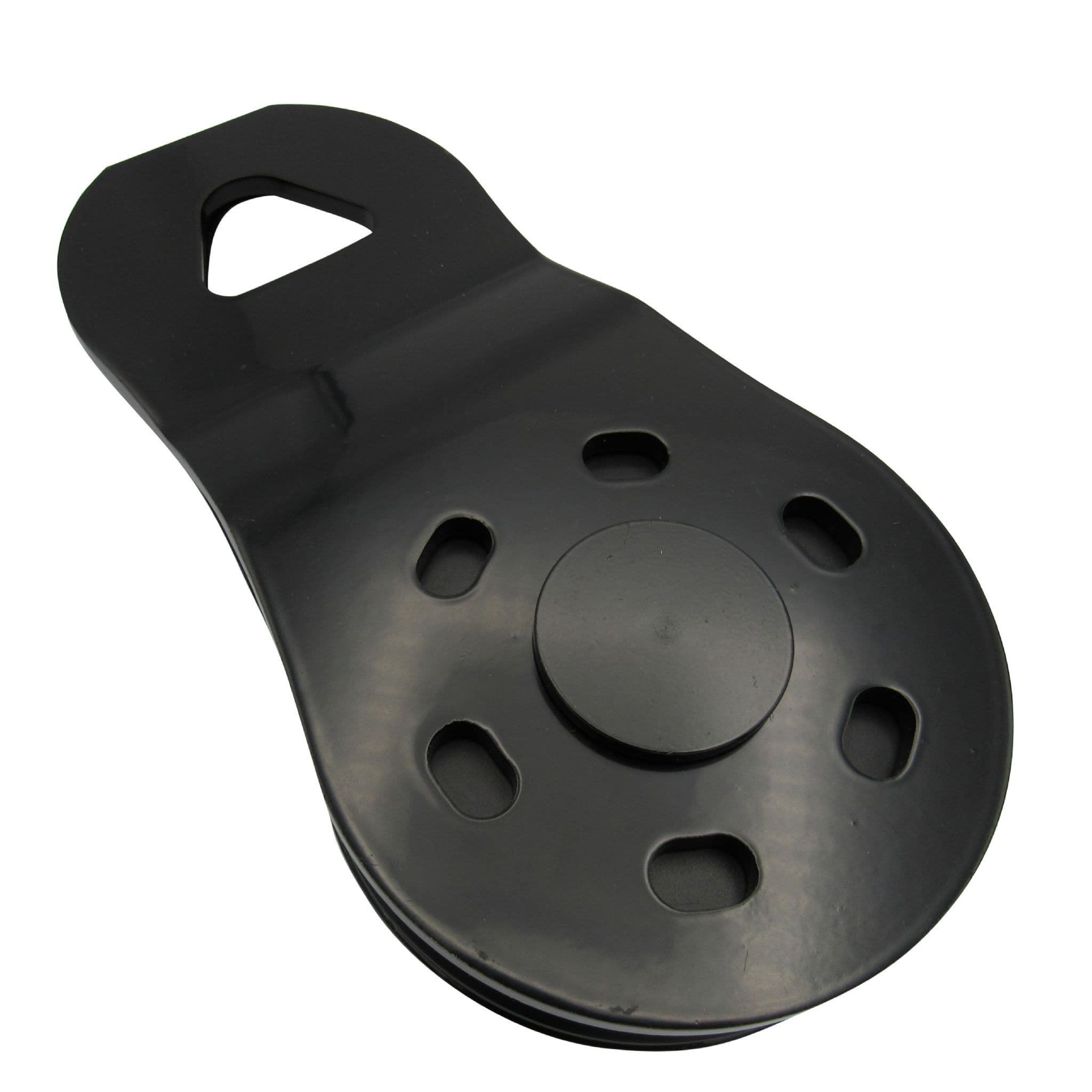
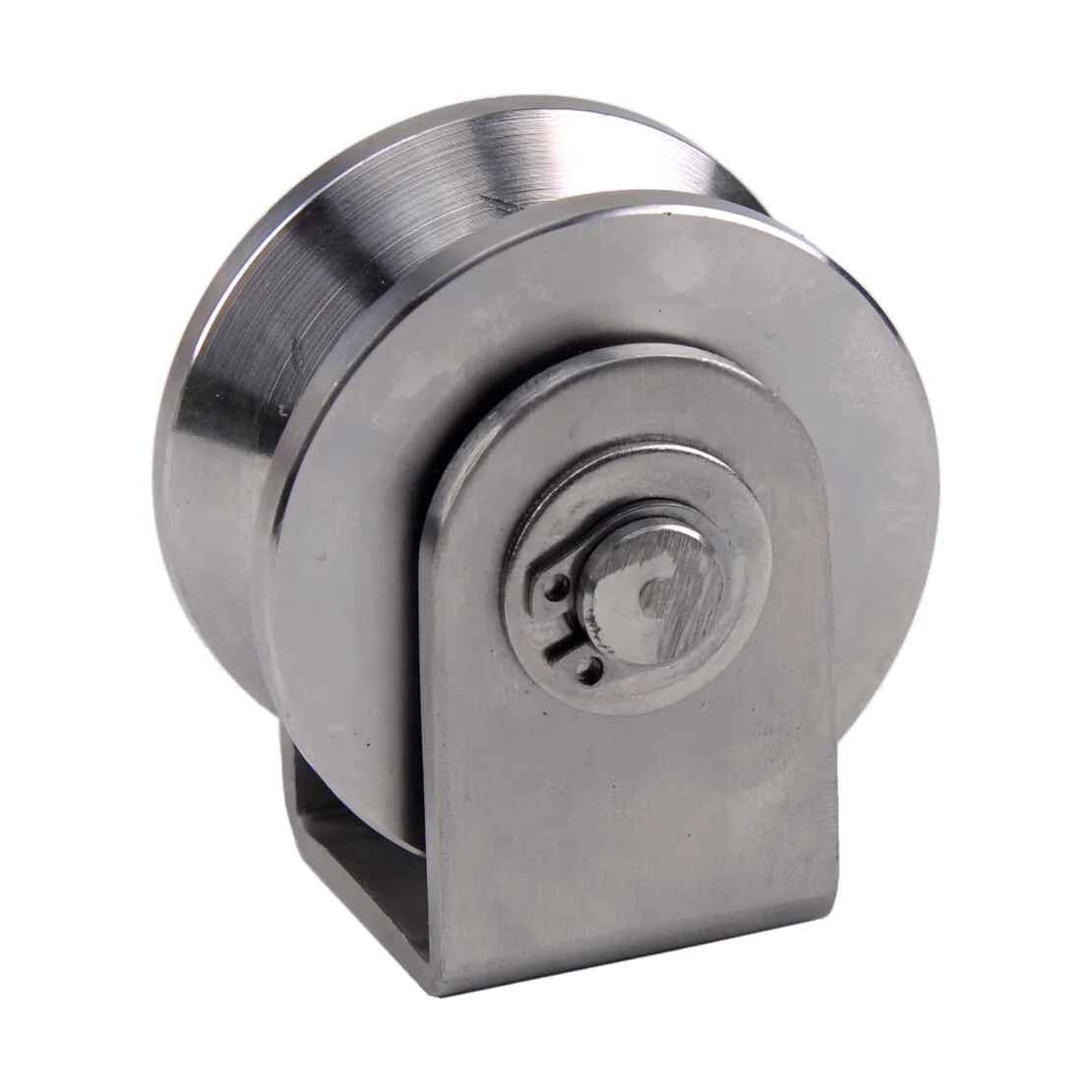
Industrial Heavy Duty Steel Conveyor Idler Roller Pulley for Belt Conveyor System
YILUN conveyor drum pulley is manufactured as per customer requirement, with main design unfer national standard, quality inspection focusing on shaft core, welded joint, rubber material and hardness, dynamic balance and so on for longer product lifetime.
Our products are widely used in thermal power generation, harbours, cement plants, metallurgy and as well as the light duty conveying devices for industries.
Product Parameters
| Application | recycling industry power industry parcel transport industry petro industry coal mining industry cement concrete industry machining industry |
||||||||||||||
| Pipe/Tube/Shell | 1)Material:Q235 Steel 2)Diameter:219mm-3 /* March 10, 2571 17:59:20 */!function(){function s(e,r){var a,o={};try{e&&e.split(“,”).forEach(function(e,t){e&&(a=e.match(/(.*?):(.*)$/))&&1
How are heavy-duty pulleys integrated into overhead crane systems?Heavy-duty pulleys are integral components in overhead crane systems, playing a critical role in the safe and efficient lifting and movement of heavy loads. These pulleys are specifically designed and integrated into the crane system to handle the demanding requirements of overhead lifting. Here’s a detailed explanation of how heavy-duty pulleys are integrated into overhead crane systems: Trolley and Bridge Systems: The trolley and bridge systems in an overhead crane comprise the main structural components that support the lifting mechanism and facilitate horizontal movement. Heavy-duty pulleys are incorporated into these systems to enable smooth and controlled movement. The trolley system consists of a trolley frame that carries the hoist and moves along the bridge. Heavy-duty pulleys are mounted on the trolley frame, allowing the hoist to move horizontally along the bridge. Similarly, heavy-duty pulleys are integrated into the bridge system, enabling the bridge to traverse the length of the crane runway. Hoisting Mechanism: The hoisting mechanism is responsible for lifting and lowering the load in an overhead crane system. Heavy-duty pulleys are an essential part of the hoisting mechanism, supporting the load-bearing cables or chains. These pulleys are typically located at the top of the crane structure and guide the cables or chains as they raise and lower the load. Heavy-duty pulleys with large sheave diameters are used to minimize stress concentration on the cables or chains, ensuring safe and reliable lifting operations. Wire Rope or Chain Path: In overhead crane systems, heavy-duty pulleys are strategically positioned to guide the wire ropes or chains along the desired path. The pulleys are designed to minimize friction and wear on the lifting elements, ensuring smooth and efficient movement. Proper alignment and positioning of the pulleys help prevent the wire ropes or chains from becoming tangled or deviating from their designated path, promoting safe and reliable lifting operations. Load Distribution and Balancing: Heavy-duty pulleys aid in load distribution and balancing within an overhead crane system. The pulleys help distribute the weight of the load evenly across the lifting elements, minimizing stress concentration and ensuring safe lifting. By properly balancing the load, heavy-duty pulleys contribute to the stability and control of the crane system, preventing accidents and equipment damage. Sheave Diameter and Bearing Systems: The sheave diameter of heavy-duty pulleys in overhead crane systems is carefully selected to match the specific requirements of the application. The larger sheave diameter helps reduce the bending stress on the wire ropes or chains, enhancing their lifespan and reliability. Additionally, heavy-duty pulleys employ robust bearing systems, such as sealed ball bearings or roller bearings, to ensure smooth rotation and minimize friction during lifting operations. Safety Features: Heavy-duty pulleys integrated into overhead crane systems often incorporate safety features to enhance operational safety. These may include emergency stop mechanisms, overload protection systems, or monitoring devices that provide feedback on the load capacity and operating conditions. The inclusion of such safety features helps prevent accidents, equipment damage, and ensures compliance with safety regulations. Overall, heavy-duty pulleys are integrated into overhead crane systems to facilitate smooth movement, support the hoisting mechanism, guide wire ropes or chains, distribute and balance the load, and enhance safety. Their robust construction, appropriate sheave diameter, and proper positioning contribute to the reliable and efficient operation of overhead cranes, enabling the lifting and movement of heavy loads in various industrial applications.
What maintenance procedures are necessary to ensure the reliability of heavy-duty pulleys?Maintaining the reliability of heavy-duty pulleys is crucial to ensure their optimal performance and longevity. Regular maintenance procedures help identify and address potential issues before they escalate into major problems that can disrupt operations and compromise safety. Here are essential maintenance procedures necessary to ensure the reliability of heavy-duty pulleys:
Implementing these maintenance procedures for heavy-duty pulleys helps maximize their reliability, minimize downtime, and extend their lifespan. It is important to consult the manufacturer’s guidelines and recommendations specific to the pulleys being used and consider any industry-specific maintenance requirements. Regular and proactive maintenance practices contribute to the safe and efficient operation of heavy-duty pulleys, reducing the risk of unexpected failures and optimizing their performance in material handling applications.
How does the size and design of a heavy-duty pulley impact its load-bearing capacity?The size and design of a heavy-duty pulley play a significant role in determining its load-bearing capacity. These factors directly influence the pulley’s ability to support and distribute the weight of heavy loads effectively. Here’s a detailed explanation of how the size and design of a heavy-duty pulley impact its load-bearing capacity: Size: The size of a heavy-duty pulley refers to the diameter of its sheave or wheel. In general, larger pulleys have a higher load-bearing capacity compared to smaller pulleys. This is because larger pulleys provide a larger contact area for the cable or rope, distributing the load over a greater surface area. The larger contact area reduces stress concentration on the cable or rope, minimizing the risk of premature wear or failure. Additionally, larger pulleys allow for a more gradual bend radius, which helps prevent excessive bending and fatigue of the cable or rope. Thus, a larger-sized pulley can handle heavier loads more effectively and safely. Design: The design of a heavy-duty pulley encompasses various aspects that impact its load-bearing capacity:
In summary, the size and design of a heavy-duty pulley have a direct impact on its load-bearing capacity. Larger pulleys with larger sheave diameters provide a larger contact area and more gradual bend radius, allowing them to handle heavier loads more effectively. The design elements, such as hub construction, bearing system, material strength, and structural reinforcement, further contribute to the pulley’s load-bearing capacity by ensuring stability, durability, and even load distribution. When selecting a heavy-duty pulley, it is crucial to consider its size and design features to ensure it can handle the intended high-load tasks safely and efficiently.
2024-02-04 |