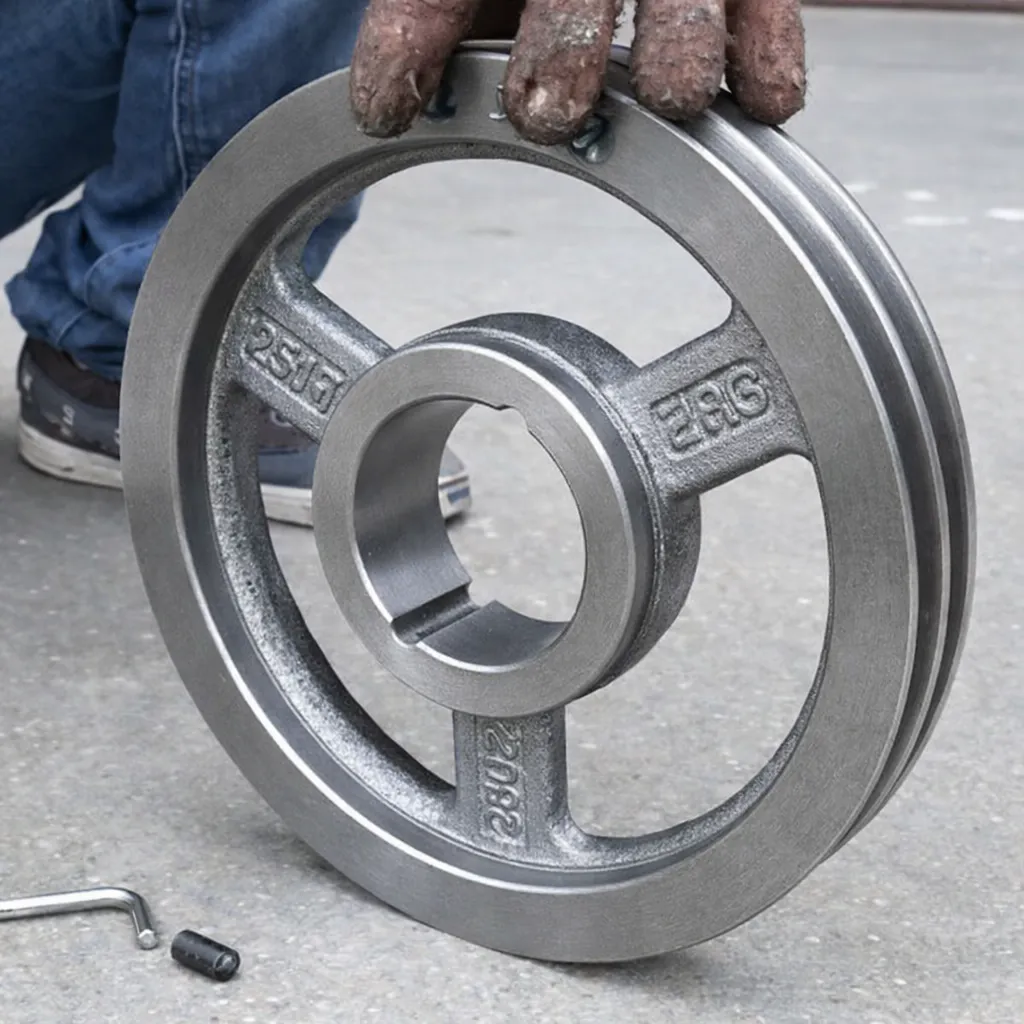
Your Trusted Partner

Heavy-Duty-Pulley

Engineered for extreme environments. Delivering unyielding torque transmission for Colombia’s mining, port, and industrial sectors.
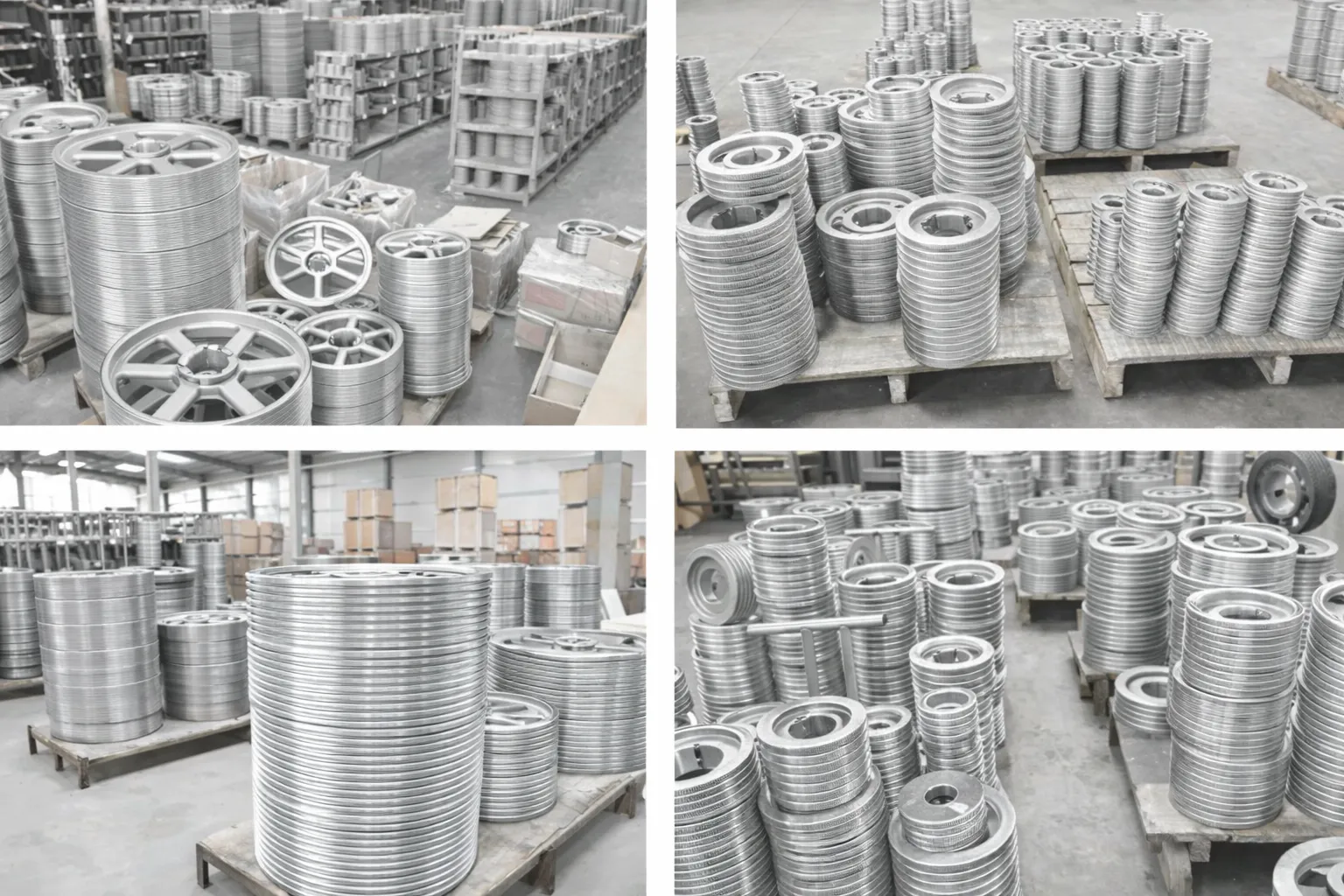

heavy-duty-pully-manufacturer-products-show

What is a heavy-duty pulley?

A heavy-duty pulley system is designed to handle high loads and work under tough conditions, typically used in industrial, construction, or marine environments. These systems are made up of a set of pulleys, ropes, or cables, and are engineered to move heavy objects or materials efficiently by distributing the load across multiple pulleys. Here’s how it works and what it involves:

Load Capacity

Up to 500 Tons

Material Standard

AISI 1045 / 4140

Service Life

50,000+ Hours

Precision

ISO 1940 G6.3

KEY

Key Features of a Heavy-Duty Pulley System:

Pulleys:

Material Strength: Heavy-duty pulleys are made from durable materials like steel, cast iron, or high-strength aluminum to withstand high forces and wear.

Design: These pulleys may have a robust, solid or ribbed structure to resist bending or breaking under extreme tension. They also often have larger diameters and wider grooves to accommodate stronger cables or ropes.

Load Capacity: They are built to carry significant weights, often in the range of several tons.


Ropes/Cables:

High-Strength Cables: Heavy-duty systems use high tensile strength cables or ropes, often made of materials like steel wire or synthetic fibers designed to endure significant stress without breaking.

Thick Ropes: In these systems, the ropes or cables are usually thicker and stronger to accommodate heavy loads.
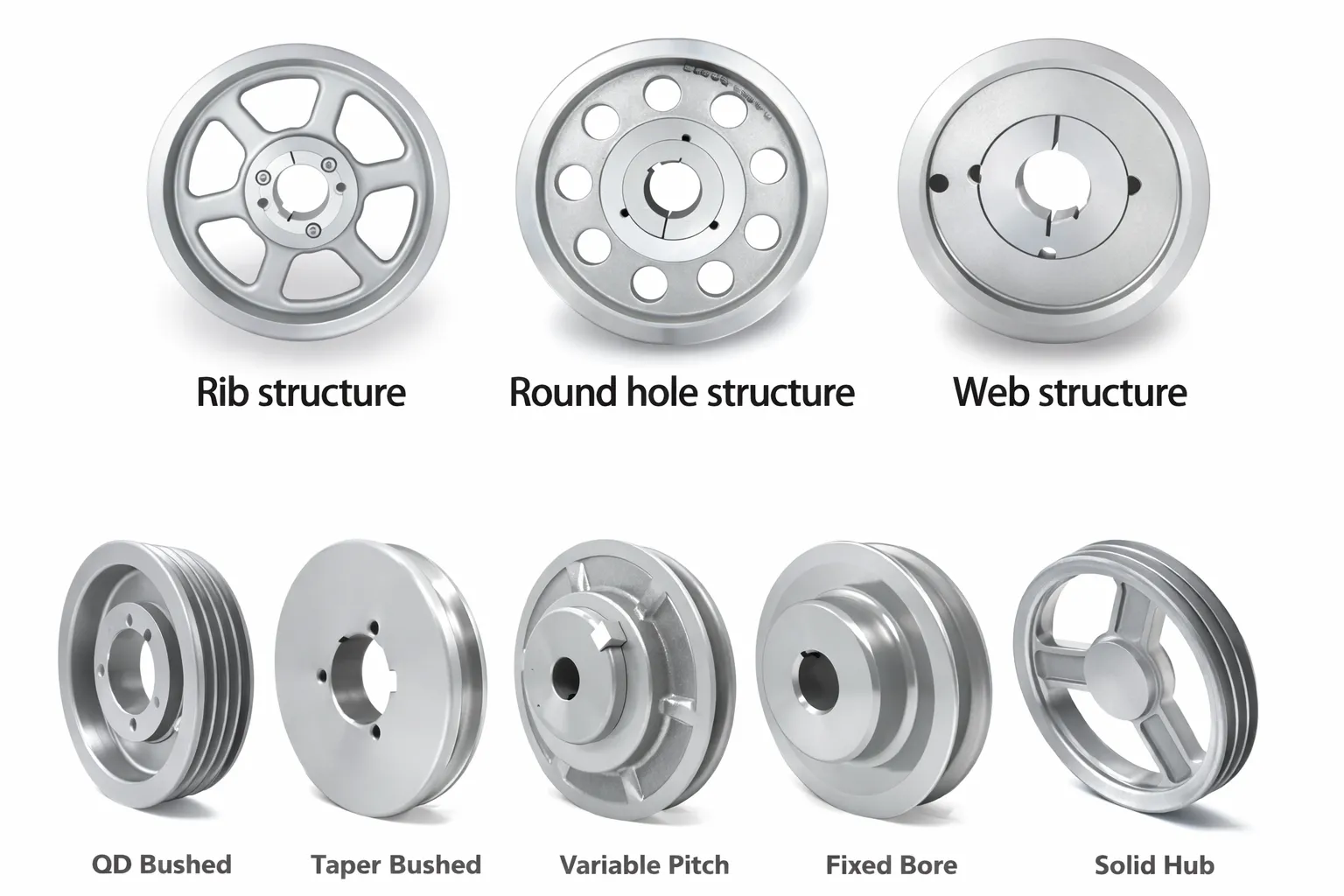
heavy-duty-pully-Display of pulleys with different designs

Working principle

The pulley system typically works by using a combination of fixed and movable pulleys. A fixed pulley is attached to a stationary point, while a movable pulley is attached to the load itself.

By pulling on one end of the rope or cable, the load is moved in the opposite direction, while the pulleys reduce the amount of force required to lift it.

A block and tackle setup uses multiple pulleys to further reduce the effort needed to lift a load, increasing mechanical advantage.
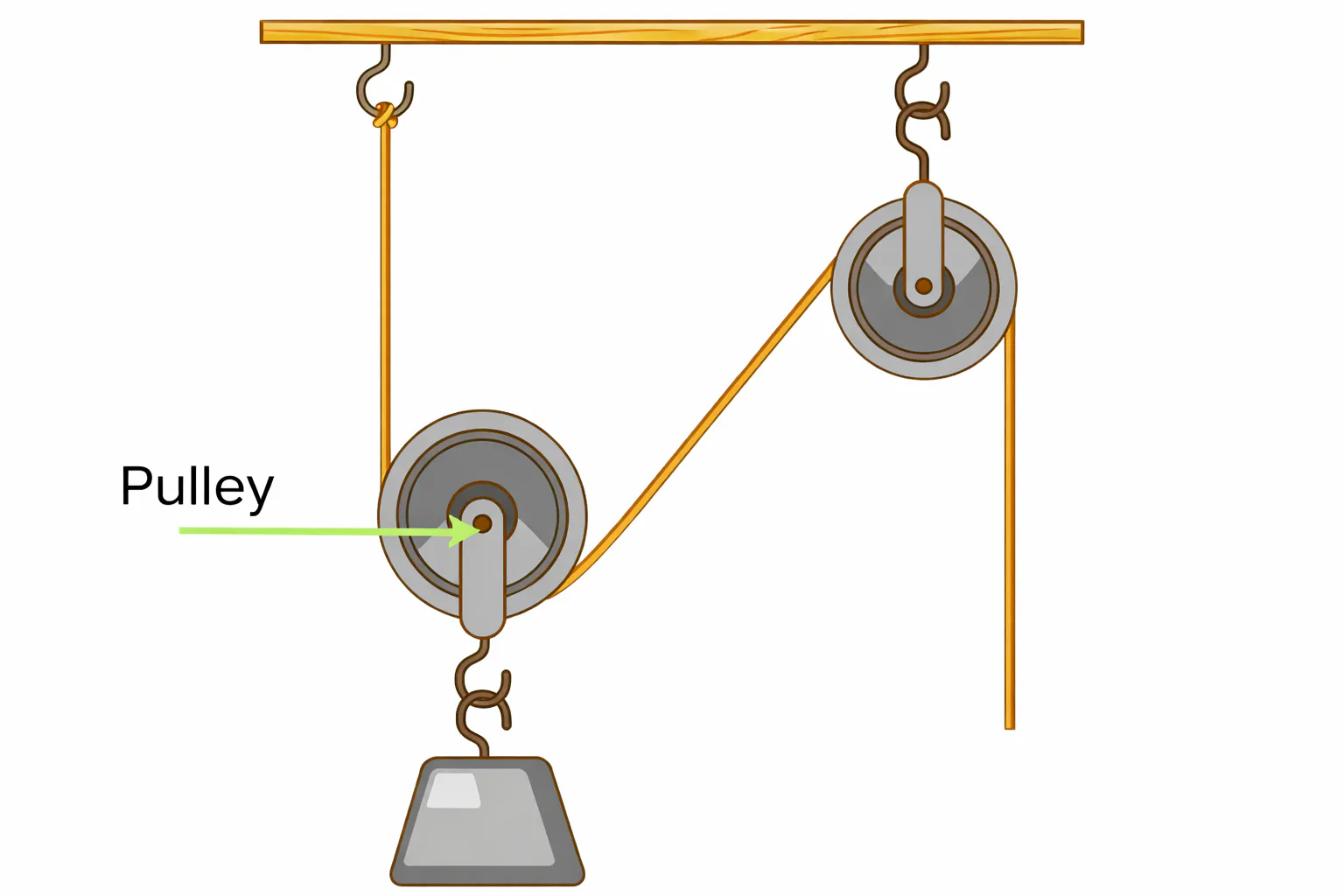
heavy-duty-pulley-work

Advantages of Heavy-Duty Pulley:

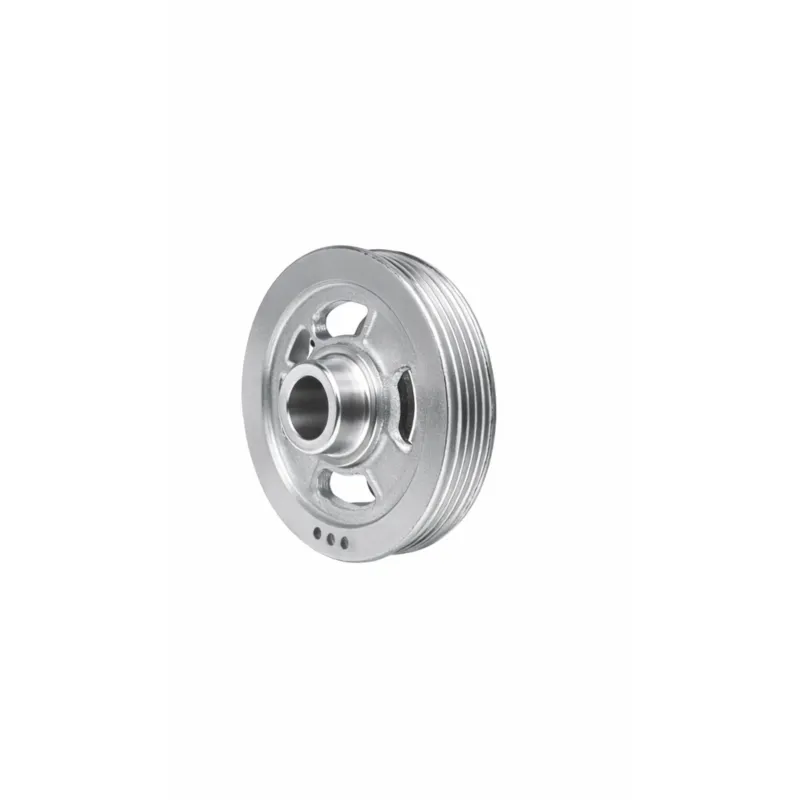
heavy-duty-pulley-Crankshaft pulley

Increased Load Handling

Capable of managing much heavier loads compared to standard pulley systems.

Reduced Effort

Helps lift heavy objects with less physical effort, relying on mechanical advantage.

Durability

Made for high-stress environments, designed to last longer and withstand wear and tear.

Versatility

Used in various industries, from construction and shipping to entertainment (theatrical rigging) and heavy machinery.

MANUFACTURING PROTOCOL

HIGH PERFORMANCE ENGINEERING

Strict adherence to ISO manufacturing standards.

01
Plate Rolling
Precision CNC rolling of heavy plate steel up to 60mm thickness.
02
Sub-Arc Welding
Full penetration SAW welding with 100% radiographic inspection.
03
Thermal Annealing
Stress relief heat treatment to eliminate welding tensions.
04
Machining & Finishing
CNC machining to ±0.05mm tolerance and surface finishing per client specs.

heavy duty pulley for sale

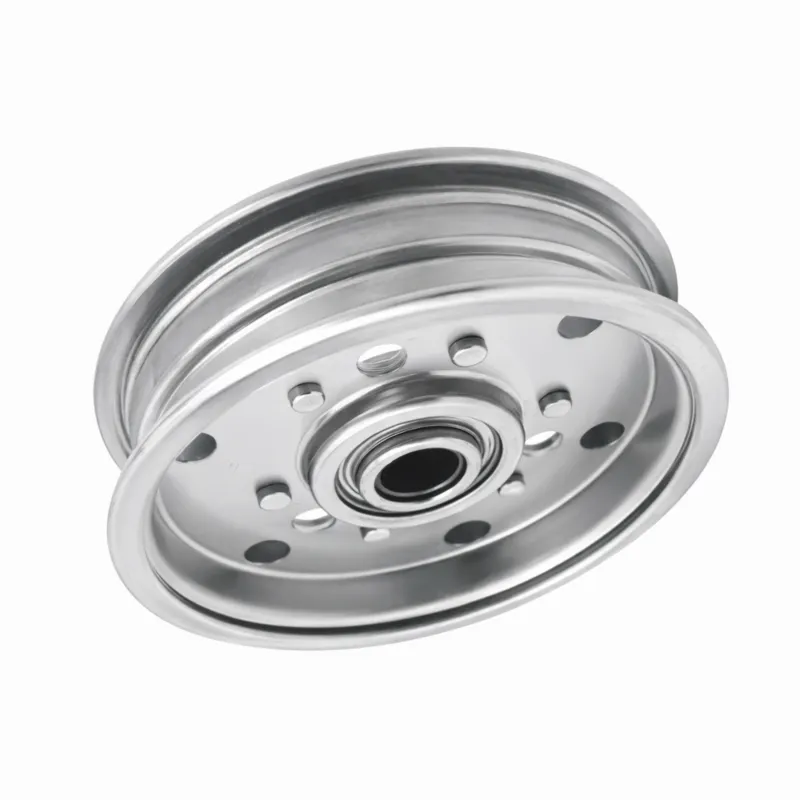
heavy-duty-pulley-Idler pulley

Idler Pulley Series

heavy-duty-pulley-Agricultural pulleys

Agricultural Pulley Series

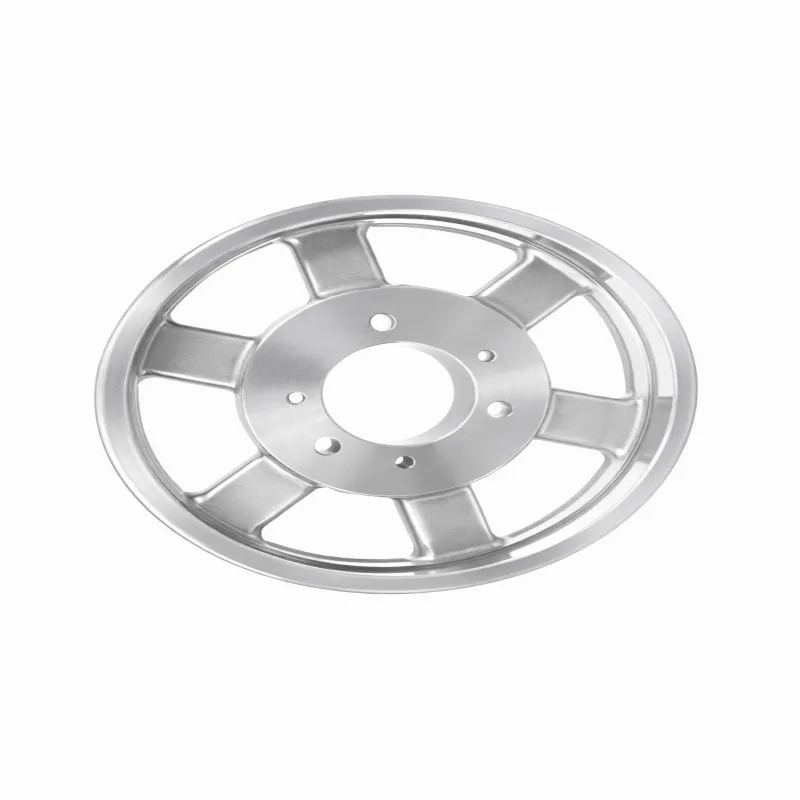
heavy-duty-pulley-Cast Pulley

Cast Pulley Series

// ENGINEERED DOMINANCE

Infinite Fatigue Life

Utilizing Finite Element Analysis (FEA), our pulleys are designed to eliminate stress concentrations, ensuring structural integrity under extreme belt tension common in Andean mining operations.

🛡️

Advanced Lagging Tech

Hot vulcanized ceramic and diamond lagging options provide superior water shedding and grip, essential for Colombia's high-humidity tropical environments.

Precision Locking

Keyless locking assemblies (Ringfeder standard) transmit high torque without shaft notch effects, facilitating easier maintenance and replacement in remote field sites.

Heavy Duty Pulley Manufacturer

At Ever Power, we are dedicated to delivering top-tier power transmission solutions tailored to industries across the globe. Driven by a relentless pursuit of innovation and an unwavering commitment to customer satisfaction, we have established ourselves as a dependable provider of tractor PTO shafts, agricultural transmission shafts, industrial drive shafts, and a full suite of complementary components. Our portfolio encompasses premium PTO shafts engineered specifically for agricultural machinery, alongside heavy-duty industrial shafts crafted to withstand the stringent operational demands of diverse industrial settings.
 
As a front-runner in the manufacturing sector, we recognize that robust and reliable power transmission is the backbone of high-performance farming and industrial equipment. To this end, every PTO shaft we produce is engineered for exceptional durability and peak efficiency, guaranteeing seamless power transfer for tractors, harvesters, and a wide array of other machinery. Beyond this, our extensive range of agricultural shafts is meticulously designed to integrate with various farming equipment, empowering our clients to boost operational productivity while cutting down costly equipment downtime.
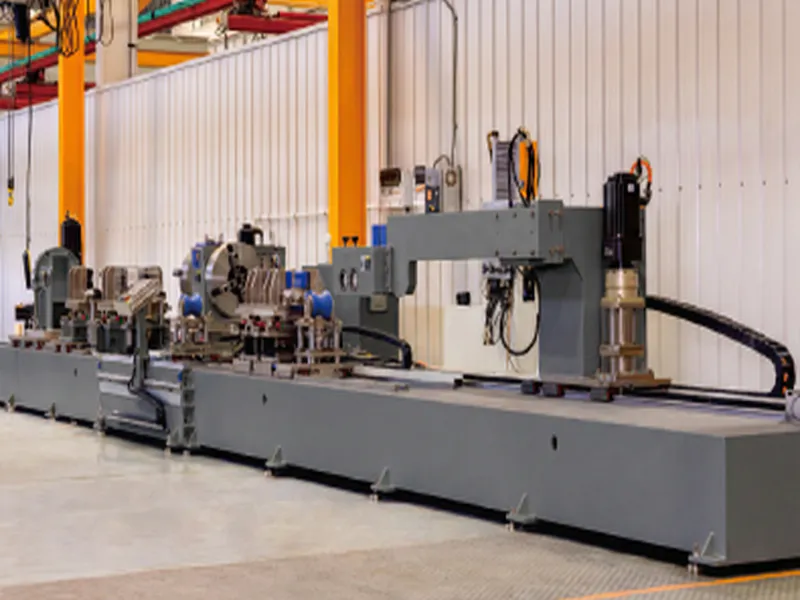
heavy-duty-pully-manufacturer

How to Install the Pulley?

Heavy Duty Pulley Wheel Installation & Maintenance Procedures

  1. Inspect the pulley groove thoroughly to confirm the absence of scratches, burrs, or sharp edges, and verify that all dimensional parameters comply with specified standards.
  2. Clean the mating surfaces of all components—including hub bores, taper sleeves, and bolt holes—to remove dust, debris, or residual oil. Fit the taper sleeve into the pulley, ensuring precise alignment of all threaded holes between the two parts.
  3. Apply lubricating oil to the bolts (sizes TB 1008–TB 3030) and their corresponding threads (TB 3525–TB 5050), then thread the bolts into the mounting holes without fully tightening them at this stage.
  4. Wipe the surface of the transmission shaft clean, then slide the pulley-taper sleeve assembly onto the pre-marked position of the shaft. Confirm that the V-belt pulley is properly aligned to avoid angular deviation during operation.
  5. If a keyway connection is adopted, insert the key into the shaft keyway first before mounting the pulley. Ensure a proper tolerance fit between the key, shaft keyway, and hub keyway to facilitate smooth assembly and torque transmission.
  6. Use a hexagon wrench compliant with DIN 911 standards to tighten the mounting bolts in an alternating, gradual, and uniform sequence until the torque value specified in the table below is achieved.
  7. After a short trial run (lasting 0.5–1 hour), recheck the bolt tightening torque and retighten any loose bolts as required.
  8. Fill the connection holes with grease to form a protective seal and prevent the intrusion of dust, moisture, or other foreign contaminants.
heavy-duty-pully-show-to-install