
Product Description
Heavy Duty Gravity Conveyor Idler Roller Galvanized, Rubber Coated, PU Coated Material
| Product Name | Automated Roller Conveyor |
| Material | Stainless/Steel/Carbon Steel/Galvanized Steel |
| Pitch | As your application |
| Certification | ISO&CE&SGS |
| Processing | Injection molding and machining |
| Structure | Height/Speed adjustable |
| Color | As requirement |
| Application | Food & beverage &Packing industry & Pharmacetic etc |
we make different kinds of roller for conveyor system , delivery system , transport system etc. we also make according to customer’s design or drawing .
1. welding product dimension : from 0.1m—10m , steel sheet , steel sections , pipes , weight from 0.5kg to 5000kg
2. mateial from steel , stainless , aluminum etc , from steel sheet , sections , chanels , pipes , etc
3. welding process: cut material into shape , grind the burs if have , make welding jig or tooling for scaled wedling , point welding first , inspect dimension after point welding, welding all necessary areas reqeusted , welding stress relief after welding ( as buyer’s request) , make finish request , packing and shipping
4. finish treatment available : hot dipping galvanised , zinc plated , paint , powder coating , satin , mirror polish etc
Gravity Steel/Aluminum Conveyor Roller for Food, Medicial, Logistics, Conveyor System
productuion equipment list :
| available process material | carbon steel , stainless , aluminum, brass , copper , bronze , steel alloy ,Nylon ,plastic etc |
| finish treatment available | polish , zinc , hard anodizing , nickel plating , chrome plating , powder coating , phostate coating ,sanblasting |
| heat treatment available | annealing, quenching hardening, blacking,tempering ,nitriding etc |
process equipment list
| equipment | process part size | qty | model |
| gantry milling machine | 6000*2300*1600 | 1 | BX2571 |
| gantry milling machine | 3000*1200*800 | 1 | XQ2012 |
| CNC centre | 1000*600 | 1 | 1060 |
| CNC centre | 1300*700 | 1 | 1370 |
| CNC centre | 4300*2700 | 1 | 4370 |
| vertical milling machine | 1500 | 1 | X53T |
| gantry boring and milling | 1800*4000 | 1 | B**2018 |
| horizontal milling machine | 960*1200*1200 | 1 | TP *611B |
| horizontal lathe | dia300*3000 | 4 | CW6163E |
| saw machine | dia5—300 | 4 | |
| grinding machine | 1000*300 | 1 | M71304 |
| grinding macnine for outer dia | 1500*3200 | 1 | M1332B |
| gantry CNC centre | 4000*2700 | 1 | YR4571 |
| common lathe | dia20–1280,L 20–5000 | 6 | |
| common drilling machine | dia2–80 | 6 | |
| plasma cut machine | 4000*12000 | 1 | SXL-400 |
| arc welding machine | 2 | 500-2 | |
| co2 welding machine | 14 | 350 500 | |
| other common machine | common milling ,lathe , driling and milling machine etc | ||
why choose our conveyor roller?
1.When you are search conveyor roller, we are the NO.1 official recommendation
2. one-stop conveyor roller factory, various type for option
3.Support customized size and color, can do the conveyor roller accroding to your drawings.
4.Support how to install and debug the conveyor roller to fit the conveyor belt
5.Fast delivery time within 7-15 days
6.No MOQ, support free sample to check the quality
Company Profile
HangZhou CHINAMFG Automation Technology Co., Ltd has more than 30 years experience of metal production.We dedicated to customize high precision CNC machining, conveyor rollers, precision machining parts, welding frame parts.etc. We are an experienced metal machined and welding structure company, we are specialized in machining and welding,forging,casting ,welding structures as well as other metal fabrication work. We mainly supply OEM and ODM service. Our engineers can design and develop different kinds of goods according customers’ requirement. We have 2 factory zone ,total 14500sqm and more than 150 professional workers who are engaged in metal cutting, welding and CNC turning, milling, drilling ,grinding ,coating etc.
Successful cases: complete set of logistics transportation equipment,Petroleum refining plant, texies machinery design.All the items are In the past transactions, we have won a good reputation for quality products and good service.
,
Product Packing & Delivery
Packaging: wooden case
Delivery Time: normally about 15~30 days
CONTACT US
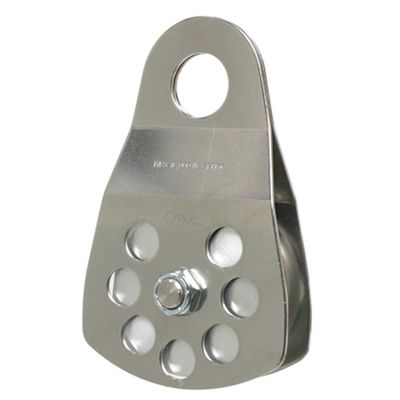
What role do heavy-duty pulleys play in construction and heavy equipment operations?
Heavy-duty pulleys play a crucial role in construction and heavy equipment operations, contributing to the safe and efficient handling of materials, equipment, and components. These specialized pulleys are designed to withstand the demanding conditions encountered in construction sites and heavy equipment applications. Here’s a detailed explanation of the role heavy-duty pulleys play in construction and heavy equipment operations:
Lifting and Hoisting:
Heavy-duty pulleys are commonly used in lifting and hoisting applications in construction and heavy equipment operations. They form an integral part of lifting systems such as cranes, winches, and hoists. By providing mechanical advantage and load distribution, pulleys enable the lifting of heavy loads with reduced effort and increased safety. Heavy-duty pulleys with their larger sheave diameters and reinforced construction can handle the substantial weights involved in lifting and hoisting operations.
Load Transportation:
Transporting heavy loads within construction sites or on heavy equipment often requires the use of heavy-duty pulleys. These pulleys are utilized in systems such as conveyors, bucket elevators, and material handling equipment. Heavy-duty pulleys allow for the smooth and controlled movement of materials, whether it’s transferring bulk materials, loading/unloading equipment, or transporting components. Their increased load-bearing capacity and durability ensure reliable and efficient load transportation, minimizing downtime and increasing productivity.
Equipment Control and Functionality:
Heavy-duty pulleys play a role in controlling and enabling the functionality of various equipment and machinery in construction and heavy equipment operations. They are employed in systems such as belt drives and power transmissions. By transferring power and torque, pulleys enable the rotation and movement of equipment components, such as wheels, tracks, and blades. Heavy-duty pulleys ensure reliable power transmission, allowing equipment to perform its intended functions effectively and efficiently.
Wire and Cable Handling:
Construction and heavy equipment operations often involve the use of wire ropes, cables, and winches for tasks like lifting, pulling, or securing loads. Heavy-duty pulleys are integral components of these wire and cable handling systems. They provide a smooth and controlled path for the wire or cable, reducing friction and wear. Additionally, heavy-duty pulleys with their larger sheave diameters help minimize stress concentration on the wire or cable, ensuring safe and reliable operation even under high loads.
Load Stabilization and Balance:
When dealing with heavy loads in construction and heavy equipment operations, load stabilization and balance are crucial for safety and operational efficiency. Heavy-duty pulleys contribute to load stabilization by distributing the weight evenly and minimizing load shifting during lifting, transportation, or equipment operation. This helps prevent accidents, equipment damage, and instability during critical tasks.
Safety and Risk Mitigation:
Heavy-duty pulleys play a significant role in enhancing safety and mitigating risks in construction and heavy equipment operations. Their robust construction, reinforced design, and load-bearing capacity ensure the reliable handling of heavy loads, reducing the risk of accidents or equipment failure. Additionally, heavy-duty pulleys can incorporate safety features such as guards, emergency stop mechanisms, or overload protection systems to further enhance operational safety.
Overall, heavy-duty pulleys are essential components in construction and heavy equipment operations. They enable lifting and hoisting, facilitate load transportation, contribute to equipment control and functionality, handle wire and cable systems, ensure load stabilization and balance, and enhance safety. The specialized design and durability of heavy-duty pulleys make them indispensable in handling the demanding tasks and heavy loads encountered in construction and heavy equipment operations, ultimately contributing to the successful completion of projects and the efficiency of operations.
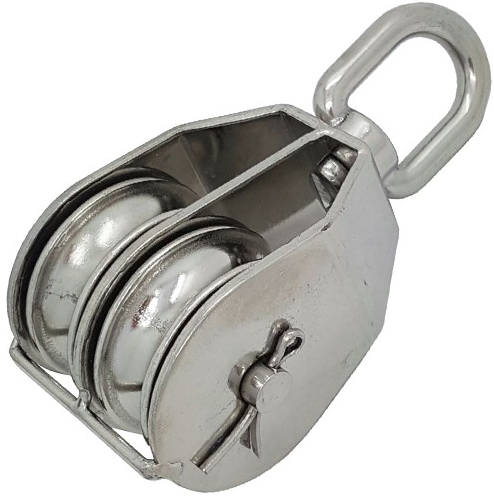
What are some real-world examples of heavy-duty pulley systems used in heavy industries?
Heavy-duty pulley systems are extensively used in various heavy industries to facilitate the movement, lifting, and handling of heavy loads. These pulley systems are designed to withstand high loads, provide smooth operation, and ensure efficient material transportation. Here are some real-world examples of heavy-duty pulley systems used in heavy industries:
- Mining Industry: In the mining industry, heavy-duty pulley systems are employed in conveyor belts that transport bulk materials such as coal, ore, gravel, and minerals. These systems enable the efficient movement of large volumes of materials over long distances, contributing to the productivity of mining operations. Heavy-duty pulley systems in mining are designed to handle the demanding conditions of underground or surface mines, including high loads, abrasive materials, and harsh environments.
- Construction Industry: Heavy-duty pulley systems play a crucial role in construction sites for activities like hoisting building materials, lifting equipment, and transferring loads. Tower cranes, for example, utilize pulley systems to lift and maneuver heavy construction materials to various heights within a building structure. The pulley systems in tower cranes provide the required mechanical advantage to safely and efficiently lift loads, enabling construction projects to progress smoothly and effectively.
- Steel Manufacturing Industry: Heavy-duty pulley systems are utilized in steel manufacturing plants for material handling and steel production processes. These systems are employed in conveyor belts that transport raw materials, such as iron ore and coal, to different stages of the steelmaking process. Additionally, pulley systems are used in overhead cranes and gantry cranes for moving and positioning heavy steel coils, ingots, and finished products within the manufacturing facility. Heavy-duty pulley systems are essential for maintaining the continuous flow of materials and ensuring efficient steel production.
- Automotive Industry: The automotive industry relies on heavy-duty pulley systems for various manufacturing processes. Assembly lines in automotive plants employ pulley systems to transfer components between workstations, ensuring a smooth and coordinated production flow. Pulley systems are also used in overhead conveyors to transport vehicle bodies or parts through different stages of the assembly process. These pulley systems contribute to the efficient assembly and production of automobiles, improving productivity and reducing manual handling requirements.
- Shipping and Port Industry: Heavy-duty pulley systems are extensively used in shipping ports for handling cargo containers. Container cranes, also known as ship-to-shore cranes, utilize pulley systems to hoist and move containers from ships to trucks or trains for transportation. These pulley systems enable the efficient loading and unloading of cargo vessels, facilitating global trade and logistics. Heavy-duty pulley systems in the shipping and port industry are designed to handle the significant loads associated with container handling.
- Power Generation Industry: Heavy-duty pulley systems are employed in power plants, particularly in coal-fired or biomass power plants, for fuel handling and ash disposal. Conveyor systems with pulley systems are used to transport coal or biomass fuel from storage areas to the boilers, ensuring a continuous and controlled supply of fuel. Pulley systems are also utilized in ash handling systems to transport and dispose of the ash generated during the combustion process. These pulley systems are designed to handle high loads and operate reliably in demanding power plant environments.
In summary, heavy-duty pulley systems are utilized in various heavy industries such as mining, construction, steel manufacturing, automotive, shipping and ports, and power generation. These systems enable efficient material handling, lifting of heavy loads, and smooth movement of goods, contributing to the productivity and functionality of heavy industrial operations.
What are the advantages of using heavy-duty pulleys for high-load tasks?
Using heavy-duty pulleys for high-load tasks offers several advantages due to their specialized design and robust construction. These advantages contribute to improved performance, safety, and efficiency in handling heavy loads. Here are the key advantages of using heavy-duty pulleys for high-load tasks:
- Increased Load-Bearing Capacity: Heavy-duty pulleys are specifically engineered to handle heavy loads. They have larger sheaves, reinforced hubs, and robust bearings that enable them to support and distribute the weight of heavy loads more effectively. This increased load-bearing capacity allows for the safe and efficient handling of heavier materials, equipment, or components.
- Enhanced Durability: Heavy-duty pulleys are constructed from high-strength materials such as steel or cast iron, which offer excellent durability and resistance to wear and corrosion. These materials ensure that the pulleys can withstand the demanding conditions encountered in high-load tasks, such as abrasion, impact, and exposure to harsh environments. The reinforced structure and protective coatings of heavy-duty pulleys further enhance their durability, extending their lifespan and reducing the need for frequent replacements.
- Reduced Stress Concentration: The larger size of sheaves in heavy-duty pulleys helps reduce stress concentration on the cables or ropes. By providing a larger contact area, the load distribution is more even, minimizing the risk of premature wear or failure. This reduced stress concentration improves the safety and reliability of the pulley system, especially when dealing with high loads that can exert significant forces on the cables or ropes.
- Improved Safety: Heavy-duty pulleys are designed to handle high loads safely, reducing the risk of accidents or equipment failure. Their robust construction and reinforced structure enhance their resistance to deformation or failure under heavy loads, minimizing the chances of accidents due to pulley malfunction. Additionally, heavy-duty pulleys often incorporate specialized features such as sealed bearings for protection against contaminants, reducing the risk of operational issues and improving overall safety.
- Efficient Material Handling: Heavy-duty pulleys enable efficient material handling in high-load tasks. Their increased load-bearing capacity allows for the transportation of heavier loads, reducing the need for multiple trips or additional equipment. This enhances productivity and reduces downtime in industries where time-sensitive operations and large-scale material handling are critical.
- Versatile Application: Heavy-duty pulleys find applications in a wide range of industries and scenarios that involve high-load tasks. Their versatility makes them suitable for various lifting, material handling, and transportation applications. From construction sites to manufacturing plants, mining operations to marine environments, heavy-duty pulleys can adapt to different settings and play a vital role in ensuring efficient and safe operations.
These advantages highlight the importance of using heavy-duty pulleys for high-load tasks. They provide the capability to handle heavy loads, enhance durability, minimize stress concentration, improve safety, enable efficient material handling, and offer versatility in diverse industries. By employing heavy-duty pulleys, organizations can enhance their operational efficiency, reduce risks, and ensure the successful execution of high-load tasks.


editor by CX
2024-03-02